
The first one is polyester fiber. Polyester fiber is a modification of polyester fiber. It improves the shortcomings of polyester fiber such as low moisture content, poor air permeability, poor dyeability, easy pilling and fuzzing, and easy staining. It is a fiber-forming polymer made from purified terephthalic acid (PTA) or dimethyl terephthalate (DMT) and ethylene glycol (EG) through esterification or transesterification and polycondensation reaction. —Polyethylene terephthalate (PET),
Fiber made by spinning and post-processing.
The advantages are: bright gloss, flashing effect, smooth, flat, and elastic feel; anti-wrinkle, no ironing, and good light resistance; Pinch the silk surface tightly and then release it without obvious creases.
The disadvantages are: the gloss is not soft enough, the air permeability is poor, the dyeing is difficult, the melt resistance is poor, and holes are easily formed when exposed to soot, sparks, etc.
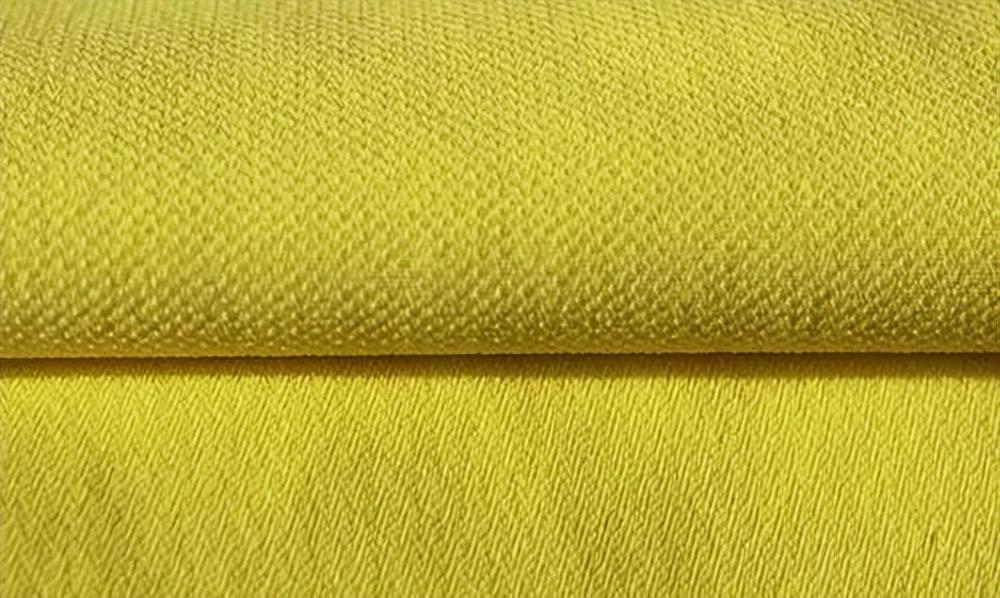
Polyester is the simplest of the three major synthetic fibers and the price is relatively cheap. It is widely used in daily life. A kind of chemical fiber clothing fabric. Its biggest advantage is that it has good wrinkle resistance and shape retention, so it is suitable for outerwear, various types of bags, tents and other outdoor products.
The advantages are: high strength, super elasticity close to wool; good heat resistance, light resistance, wear resistance and good chemical resistance.
Disadvantages: poor dyeability, poor melt resistance, poor hygroscopicity and easy pilling and staining. Cotton refers to fabrics produced from cotton as raw material. Generally speaking, pure cotton fabrics have better moisture absorption and heat resistance, and are comfortable to wear. Work clothes in some industries that require high hygroscopicity of clothing can be processed with pure cotton fabrics. For example, summer school uniforms, etc.
Polyester can also be called polyester fiber, which is more common among synthetic fibers. Its biggest feature is good elasticity, which is better than any other fiber, so Polyester fabric is flat, wide, not easily deformed, and has the reputation of being easy to iron.
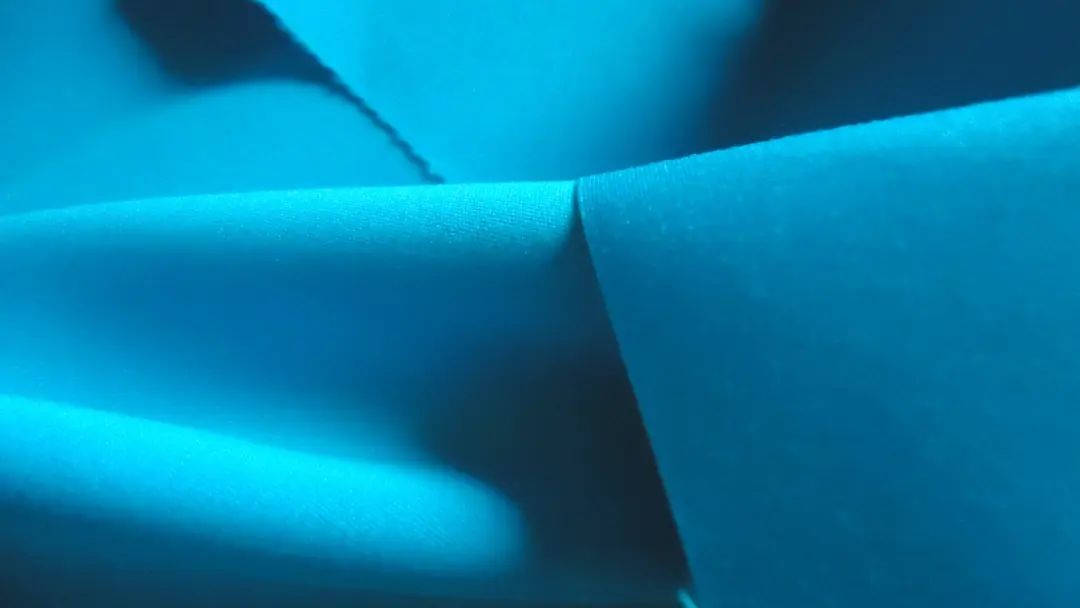
Polyester also has relatively good strength and wear resistance. Fabrics woven from it are 3-4 times higher than other fibers. In addition, its heat resistance is also very good. However, the internal molecules of polyester are tightly arranged and lack a hydrophilic structure between the molecules. Therefore, the hygroscopicity is particularly poor. Clothes made of polyester fabrics feel stuffy and airtight when worn on the body. And it’s also very easy to pill.
As for silk floss, the advantages are: cotton fiber has better hygroscopicity, higher elasticity, heat and alkali resistance, and is hygienic; disadvantages: easy to wrinkle , easy to shrink, easy to deform, easy to stick to hair, and especially afraid of acid. When concentrated sulfuric acid contaminates cotton, the cotton will be burned into holes. Silk floss: In a narrow sense, silk floss refers to natural silk cotton.
In a broad sense, silk cotton refers to silk-like fabrics, such as hollow cotton, mixed silk cotton, imitation silk cotton, seven-hole cotton and other materials . Silk floss comes from the floating threads on the surface of foot cocoons and cocoon shells. It is refined and processed to dissolve the sericin and loosen the fibers.
It has good warmth retention properties and is often used as a filling for quilts or clothes. Silk floss is soft against the skin, warm in winter and cool in summer, has no irritating effect on the skin, can promote sleep, is antibacterial, moisture-wicking and other properties.
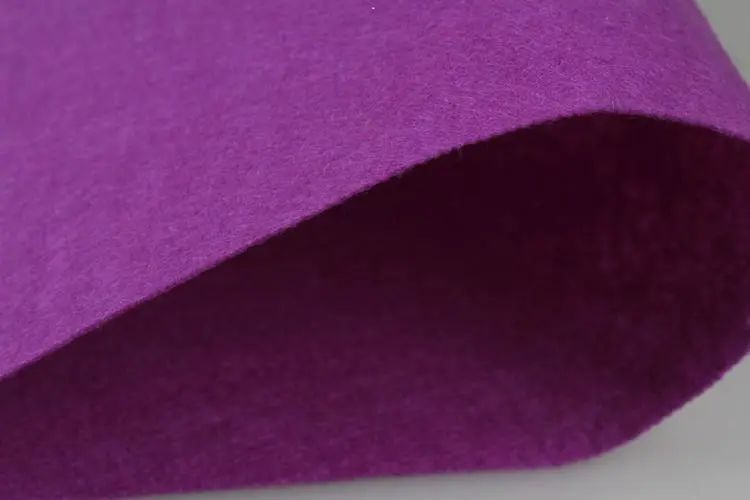
And there are two main types of silk floss: natural silk floss and silk floss-like fabrics. Most of them on the market now are Silk-like fabrics, such as hollow cotton, seven-hole cotton, imitation silk cotton, spray-coated cotton, etc., are considered chemical fibers. Silk floss has relatively high warmth retention, and is often used as quilt wadding and clothing wadding. Silk floss has a close-fitting property It is relatively soft, warm in winter and cool in summer, and does not cause any irritation to the skin. It has antibacterial and sweat-absorbing effects. Silk wool is not easy to shrink or fade, and it is also more wear-resistant, has a higher heat dissipation capacity, and has a special color. Bright. Silk floss not only has the natural characteristics of raw cotton, but also has the luster of silk.